Walk into a modern tech campus or a forward-thinking logistics hub, and you will see something different: humans and robots sharing the hallway. The robot is no longer caged in a factory; it is part of the office ecosystem.
Historically, automation was hidden away. Now, it is front and center. This shift requires a change in mindset. Employees are learning to interact with robots not as complex machinery, but as helpful colleagues.
Robots excel at tasks that humans generally dislike. In the industry, these are known as the Three Ds:
When a robot takes over the mundane, human potential is unleashed. An office manager who no longer has to spend 2 hours a day managing courier deliveries can spend that time organizing team-building events or improving office culture.
As robots enter our space, we are developing new social norms. Robots are programmed to yield to humans, signal their turns, and even "smile" with digital eyes to appear non-threatening. This "cobot" (collaborative robot) design is crucial for acceptance.
Scenario: A busy co-working space in San Francisco.
Implementation: They introduced a "Coffee Bot" that roams the desks offering fresh brew.
The Impact: Beyond the convenience, the robot became a social icebreaker. Members who never spoke to each other started chatting while waiting for the robot to pour their drink. The robot didn't just serve coffee; it built community.
The workspace of tomorrow is a hybrid environment. Your team might consist of three humans, one AI software agent, and one physical delivery robot. Success will depend on how well these different intelligences can communicate and collaborate.
Robots in the workspace are not about replacing people; they are about upgrading the work experience. They handle the tasks we tolerate so we can focus on the work we love.
Upgrade your office. Find collaborative robots at Robots.shop.
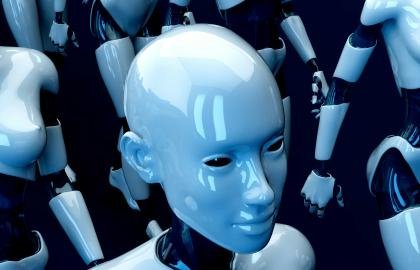
The era of single-purpose robots (like the vacuum that only vacuums) is ending. The future belongs...
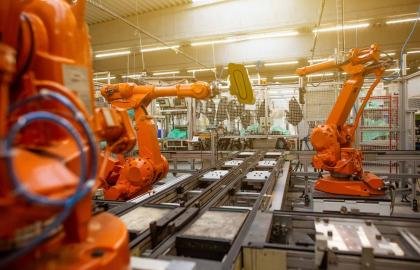
For a robot to be truly autonomous, it cannot be stopped by a closed door or...
Humans need sleep; robots just need a charge. But for a business running three shifts, even...





Cookie preferences