Robots are increasingly used in real-world environments to support daily activities, business operations, and specialized tasks. Understanding where and how robots are applied helps users better evaluate their practical value and limitations.
This category focuses on real-life robot scenarios rather than theoretical concepts. Examples include robots assisting in homes, guiding visitors in public spaces, performing inspections in industrial environments, or supporting education and research activities. These use cases show how robots interact with people and environments in everyday situations.
By examining real-world scenarios, users can see how different robot designs serve different purposes. Mobility, interaction methods, and autonomy levels all influence how a robot performs in specific settings. Practical examples help bridge the gap between technology and real-life use.
Use cases and scenarios provide context that makes robotic technology easier to understand. They highlight how robots are currently used and how they continue to evolve as technology and applications expand.

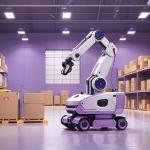
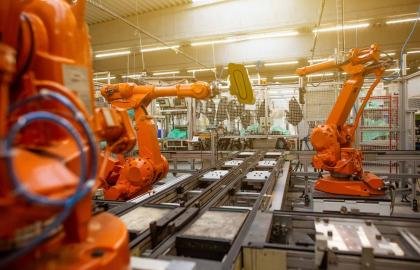
For a robot to be truly autonomous, it cannot be stopped by a closed door or...
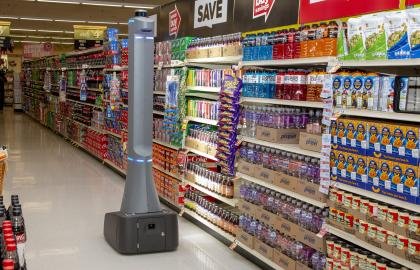
Retail is a low-margin game, and efficiency is king. This article examines real-world case studies of...
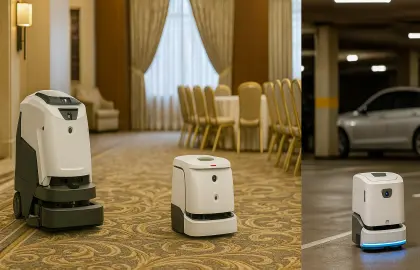
Critics argue that robots make service "cold" and impersonal. Proponents argue the opposite: that robots handle...





Cookie preferences