Robots are becoming increasingly present in everyday life, moving beyond research labs and industrial environments into homes, businesses, and public spaces. Understanding the different types of robots and their capabilities helps users make informed decisions when exploring robotic solutions.
Robot guides focus on explaining how robots work, what features matter most, and how different robots are designed for specific use cases. Topics often include mobility, sensors, autonomy, interaction methods, and practical limitations. Rather than focusing on technical specifications, robot guides aim to provide clear and accessible explanations.
This category also helps users understand how robots fit into different environments. Some robots are designed for daily interaction and assistance, while others are optimized for commercial services or educational research. Choosing the right robot depends on the environment, intended use, and level of autonomy required.
Robot guides are designed to provide a clear starting point for anyone interested in robots, whether for personal use, business applications, or learning purposes. They offer foundational knowledge that makes it easier to explore specific robot types and real-world applications.



The era of single-purpose robots (like the vacuum that only vacuums) is ending. The future belongs...
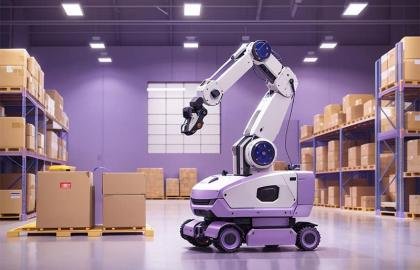
The open-plan office is evolving into a collaborative space for humans and machines. This article discusses...
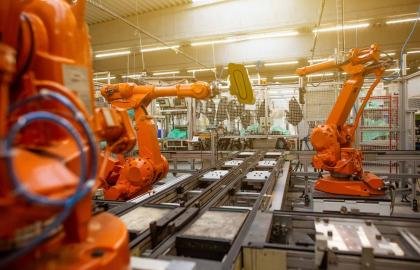
For a robot to be truly autonomous, it cannot be stopped by a closed door or...





Cookie preferences