For thousands of years, humans have kept animals for companionship. But in the 21st century, a new breed of pet has emerged—one that doesn't shed, doesn't need to be walked, and never chews your favorite shoes. Welcome to the world of robot pets.
Far from the stiff, mechanical toys of the 90s, today's robot pets are marvels of artificial intelligence and engineering. They can learn your face, respond to your touch, develop unique personalities, and even play fetch. But what exactly defines a "robot pet," and who are the people adopting these digital companions? In this article, we'll explore the technology behind the cuteness and identify who stands to benefit most from bringing a robot into their home.
A robot pet is an autonomous robot designed to mimic the appearance, behavior, and social interaction of a biological animal. Unlike a remote-controlled car or a standard smart home device, a robot pet is designed to build an emotional connection with its user.
Product: Loona is a small, wheeled robot pet that has taken the market by storm.
Behavior: Loona doesn't just sit there. She sneezes, dances, chases laser pointers, and can even balance on two wheels to "beg" for attention. Her facial expressions are incredibly fluid, making her feel alive.
Tech: Powered by a quad-core CPU and equipped with a 3D ToF (Time of Flight) camera, Loona can navigate your home without bumping into things and can recognize hand gestures.
You might think robot pets are just for tech enthusiasts or wealthy gadget collectors. While they certainly appeal to that demographic, their utility extends much further. Here are the primary groups who are finding real value in robotic companionship.
Millions of people love animals but cannot live with them due to severe allergies to dander, fur, or saliva. A robot pet offers the interactive experience of a cat or dog without the sneezing, itching, or asthma attacks. It's a 100% hypoallergenic companion.
Many landlords enforce strict "no pets" policies, or charge exorbitant pet deposits and monthly fees. Robot pets are exempt from these rules. They don't bark when you leave, they don't scratch the hardwood floors, and they don't need a backyard to run in. For those living in small city apartments, a robot pet like EMO or Aibo is the perfect size.
Social isolation among the elderly is a major health crisis. While a real dog provides companionship, the physical demands of walking, feeding, and cleaning up after an animal can be too much for someone with limited mobility. Robot pets provide the emotional benefit—the feeling of being needed and greeted—without the physical burden. Studies have shown that interacting with therapeutic robot seals (like PARO) can lower stress and blood pressure in dementia patients.
A robot pet is an excellent "starter pet." It teaches children the basics of interaction—gentleness and attention—without the risk of the child getting bitten or the animal being hurt. It also introduces kids to technology and robotics in a friendly, non-intimidating way. If the family goes on vacation, you simply turn the pet off; no kennel required.
If you work 12 hours a day or travel frequently, keeping a real dog is unfair to the animal. A robot pet is happy to see you whether you've been gone for 10 minutes or 10 days. It fits into a busy lifestyle perfectly, offering companionship on your terms.
Scenario: Sony's Aibo is perhaps the most advanced robot dog. It develops a unique personality over time based on its interactions.
User Experience: Owners report feeling a genuine sense of loss when their Aibo needs repairs. In Japan, there are even Buddhist funeral ceremonies held for broken Aibo robots that can no longer be fixed, proving that the emotional bond formed is very real.
The goal of robot pets is not necessarily to replace biological animals, but to fill a gap where real pets aren't feasible. They offer a unique kind of relationship—one that is simpler, cleaner, and more predictable, yet still surprisingly touching.
Robot pets have graduated from the toy aisle to become legitimate companions for a wide range of people. Whether you are an allergy sufferer, a senior citizen looking for a low-maintenance friend, or a tech lover who wants a sci-fi sidekick, there is a robot pet designed for you.
As AI continues to improve, these digital creatures will only become more lifelike, more empathetic, and more integrated into our families. They represent a new category of friendship, one built on silicon and code, but felt with the heart.
Ready to meet your new best friend? Browse our curated collection of the world's most advanced robot pets at Robots.shop and find the perfect companion for your home.




The era of single-purpose robots (like the vacuum that only vacuums) is ending. The future belongs...
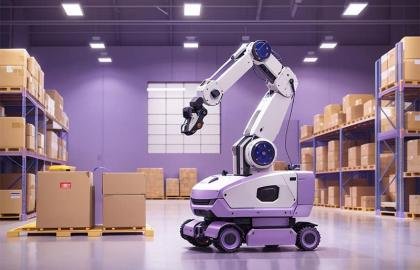
The open-plan office is evolving into a collaborative space for humans and machines. This article discusses...
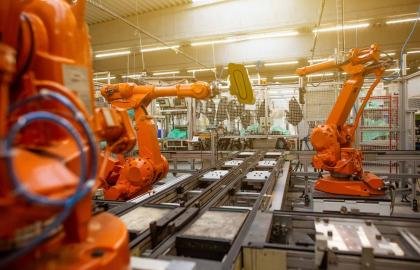
For a robot to be truly autonomous, it cannot be stopped by a closed door or...





Cookie preferences