Ten years ago, watching a robot vacuum was painful. It would bang into a chair, turn left, bang into the same chair, and then spin in circles. Today, robots clean with the precision of a military operation. What changed?
The secret lies in the sensors. Here is a breakdown of the technology powering the modern smart home cleaner.
Entry-level bots still use this. They have no "eyes." They simply drive until they hit a bumper, then turn a random amount. It’s inefficient and misses spots, but it’s cheap.
These bots measure wheel rotations to calculate distance and direction. They clean in straight lines (S-patterns), which looks nicer, but if the wheels slip, the map gets corrupted.
This is the spinning turret on top of high-end bots (like Roborock or Dreame). It shoots invisible laser beams 360 degrees to create a millimeter-accurate map of your home instantly. It works in pitch blackness and allows for "No-Go Zones."
Robots like the Roomba j7 use a camera to look for landmarks (like the edge of a table or a picture frame) to triangulate position. It’s powerful but requires light to see.
Mapping tells the robot where the walls are. Obstacle Avoidance tells it where the socks are.
The biggest fear of robot owners is the "poopocalypse"—when a robot runs over pet waste and smears it everywhere. New AI cameras are trained on millions of images of... waste. If they see it, they give it a wide berth.
Structured light sensors (like FaceID on an iPhone) can detect thin objects like phone chargers and shoelaces, preventing the robot from getting tangled.
Early robot mops just dragged a damp cloth. New tech actually scrubs.
The Test: We placed a white iPhone cable on a white rug.
The Result: Older LiDAR bots ate the cable because lasers pass right over thin wires. The j7+, using its camera AI, recognized the shape of a wire and navigated around it, sending a photo to the user's phone asking, "What is this?"
When buying a robot, you are paying for its brain, not just its suction. A smart robot cleans 100% of the floor in 30 minutes. A dumb robot cleans 60% of the floor in 60 minutes. The technology is the difference.
Clean smarter. Compare the latest vacuum and mop robots at Robots.shop.



The era of single-purpose robots (like the vacuum that only vacuums) is ending. The future belongs...
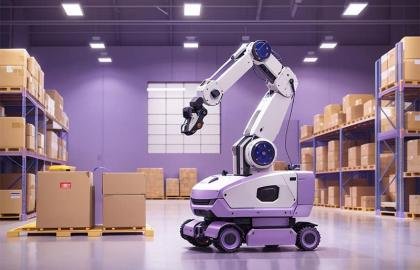
The open-plan office is evolving into a collaborative space for humans and machines. This article discusses...
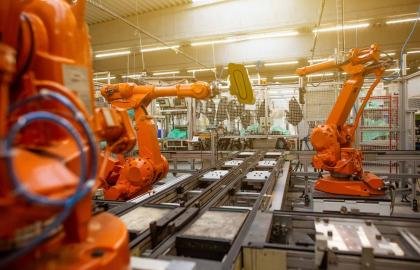
For a robot to be truly autonomous, it cannot be stopped by a closed door or...





Cookie preferences