The integration of Humanoid Robots into business environments represents a significant shift in how organizations approach automation and customer engagement. Unlike traditional industrial robots confined to factory floors, humanoid robots are designed to work alongside humans in various settings, from retail stores to corporate offices. Their human-like appearance and advanced AI capabilities make them particularly suitable for customer-facing roles where interaction and communication are essential.
Recent market research indicates that the global humanoid robot market is expected to reach $3.9 billion by 2025, with businesses across multiple sectors investing heavily in this technology. This growth isn't just about novelty—it's driven by tangible benefits including improved customer experience, operational efficiency, and innovative brand positioning.
One of the most prominent applications of humanoid robots in business is customer service. Companies like SoftBank have deployed their Pepper robot in over 2,000 locations worldwide, including retail stores, banks, and hotels. These robots serve as the first point of contact, greeting customers, providing directions, and answering frequently asked questions.
Hilton Hotels partnered with IBM to create Connie, a humanoid robot concierge powered by Watson AI. Deployed in select locations, Connie assists guests with information about hotel amenities, local attractions, and dining recommendations. The implementation resulted in a 30% reduction in front desk inquiries, allowing staff to focus on more complex customer needs.
Key Results: 30% reduction in front desk inquiries, improved guest satisfaction scores, enhanced brand innovation perception.
In Japan's Nestlé stores, humanoid robots have been instrumental in boosting coffee sales by 20% through personalized recommendations and engaging customer interactions. The robots' ability to recognize returning customers and remember their preferences creates a personalized experience that traditional digital interfaces struggle to match.
The success of Connie demonstrates how humanoid robots can complement rather than replace human workers, handling routine tasks while freeing up employees for higher-value interactions that require emotional intelligence and problem-solving skills.
The healthcare sector has emerged as a significant adopter of humanoid robot technology. These robots serve various functions, from patient interaction to therapeutic support, particularly in elderly care and pediatric settings.
In senior care facilities across Europe and Asia, humanoid robots like SoftBank's Pepper and Honda's ASIMO are being used to combat loneliness and provide cognitive stimulation. Studies conducted in Japanese care homes show that residents who interact with humanoid robots experience a 25% improvement in mood scores and a 15% increase in social engagement.
Research Finding: A 2023 study by the University of Tokyo found that elderly patients who interacted with humanoid robots for just 30 minutes daily showed significant improvements in cognitive function and reduced symptoms of depression compared to control groups.
These robots can lead exercise sessions, remind patients about medication schedules, and even engage in simple conversations. Their constant availability and patience make them ideal companions for elderly individuals who may require repeated explanations or assistance.
Children's hospitals have found humanoid robots particularly effective in pediatric care. The robots' non-threatening appearance and interactive capabilities help reduce anxiety in young patients. At Boston Children's Hospital, humanoid robots are used to explain medical procedures to children, resulting in a 40% reduction in pre-surgical anxiety levels.
Robots like NAO, developed by SoftBank Robotics, are used in autism therapy programs. Their predictable behavior and consistent responses make them ideal tools for helping children with autism spectrum disorders develop social and communication skills. Clinical trials show that children who work with these robots demonstrate improved eye contact and increased verbal communication.
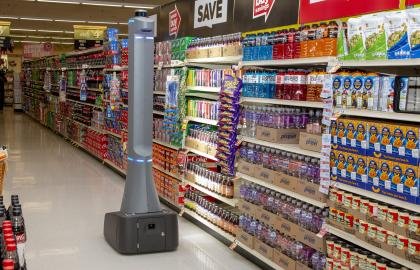
The retail sector has enthusiastically embraced humanoid robots as a means of enhancing customer experience and differentiating from competitors. These robots serve multiple functions, from inventory management to personalized shopping assistance.
Lowe's Home Improvement stores have deployed humanoid robots called "LoweBots" that assist customers in finding products, provide real-time inventory information, and offer personalized recommendations based on customer preferences and purchase history. These robots have improved customer satisfaction scores by 35% and reduced the time customers spend searching for products by 50%.
The robots use advanced computer vision to recognize customer emotions and adjust their interaction style accordingly. If a customer appears confused or frustrated, the robot can summon human assistance or provide additional explanations in a more patient manner.
Nestlé deployed Pepper robots in over 1,000 stores across Japan to promote their coffee products. The robots engage customers in conversation, provide product information, and even offer personalized coffee recommendations based on customer preferences.
Results: 20% increase in coffee sales, 45% improvement in customer engagement time, 60% increase in product recall rates.
The hospitality industry has found humanoid robots particularly valuable for providing 24/7 services and multilingual support. The Henn-na Hotel in Japan, recognized by Guinness World Records as the first robot-staffed hotel, uses humanoid robots for check-in services, luggage handling, and concierge functions.
These robots can communicate in multiple languages, making them invaluable for international tourism. They provide consistent service quality regardless of time of day or staff availability, ensuring that guests receive prompt attention even during peak periods or late-night hours.
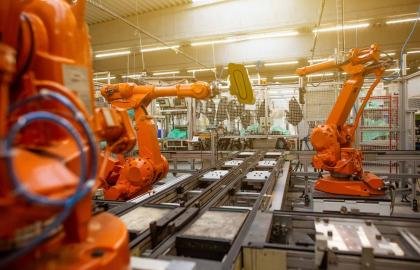
While traditional industrial robots excel at repetitive tasks, humanoid robots are finding their niche in manufacturing environments that require flexibility and human-like dexterity. Their ability to use existing human tools and navigate spaces designed for people makes them valuable in various industrial applications.
BMW has experimented with humanoid robots in their manufacturing facilities, where they assist human workers with complex assembly tasks. These robots can hand tools to workers, hold components in place, and perform quality inspections using their advanced vision systems.
The robots' ability to learn from human workers through observation and imitation makes them particularly valuable for tasks that require adaptation and problem-solving. Unlike traditional industrial robots that require extensive programming for each new task, humanoid robots can learn through demonstration.
Humanoid robots equipped with advanced vision systems and machine learning algorithms are being used for quality control in manufacturing. They can inspect products for defects, measure dimensions, and ensure compliance with specifications. Their human-like vision systems allow them to spot defects that might be missed by traditional automated inspection systems.
Industry Impact: A major electronics manufacturer reported a 25% reduction in defect rates after implementing humanoid robot inspectors, while also reducing inspection time by 40% compared to manual inspection processes.
Banks and financial institutions have adopted humanoid robots to enhance customer service and streamline operations. These robots handle routine inquiries, guide customers through banking processes, and provide financial education services.
HSBC Bank has deployed humanoid robots in their flagship branches to greet customers, answer basic banking questions, and direct them to appropriate service areas. The robots have reduced customer wait times by 30% and improved overall satisfaction scores by providing consistent, accurate information.
The robots' ability to remember customer preferences and transaction history allows them to provide personalized service recommendations. They can suggest relevant financial products based on customer profiles and previous interactions, though complex financial advice still requires human expertise.
Some banks use humanoid robots to provide financial education services, particularly for younger customers. These robots can explain basic banking concepts, savings strategies, and investment options in an engaging, interactive manner that traditional brochures or websites cannot match.
The robots' patient, non-judgmental approach makes them particularly effective for customers who might feel intimidated asking basic financial questions to human staff. They can provide consistent explanations and repeat information as many times as needed without showing frustration.
Despite the promising applications, implementing humanoid robots in business environments presents several challenges that organizations must address for successful deployment.
Integrating humanoid robots with existing business systems requires careful planning and technical expertise. Organizations must ensure that robots can access necessary databases, communicate with other systems, and maintain security protocols.
Solution: Many companies are adopting middleware platforms that serve as bridges between humanoid robots and existing business systems, enabling seamless data exchange while maintaining security standards.
Successful implementation requires addressing employee concerns about job displacement and providing adequate training on how to work alongside humanoid robots. Companies that invest in comprehensive change management programs report higher success rates and employee satisfaction.
The key is positioning robots as tools that enhance rather than replace human capabilities, emphasizing how they can handle routine tasks while freeing employees for more creative and complex work that requires human judgment and emotional intelligence.
While humanoid robots represent significant upfront investments, many organizations find that the long-term benefits justify the costs. Factors to consider include reduced labor costs, improved efficiency, enhanced customer satisfaction, and competitive differentiation.
A comprehensive analysis should include not just direct cost savings but also intangible benefits such as brand enhancement, customer loyalty improvements, and employee satisfaction gains from reduced routine workload.
The future of humanoid robots in business looks promising, with several trends indicating continued growth and innovation in this space.
Next-generation humanoid robots will feature more sophisticated AI capabilities, including better natural language processing, emotional intelligence, and learning abilities. These improvements will enable more natural human-robot interactions and expand the range of tasks robots can perform.
As technology improves and costs decrease, humanoid robots will find applications in new industries and use cases. Sectors such as education, legal services, and creative industries are beginning to explore how humanoid robots might enhance their operations.
Future business environments will likely feature collaborative ecosystems where humanoid robots work alongside humans and other robots, creating seamless workflows that leverage the strengths of each participant.

For a robot to be truly autonomous, it cannot be stopped by a closed door or...
Retail is a low-margin game, and efficiency is king. This article examines real-world case studies of...
Critics argue that robots make service "cold" and impersonal. Proponents argue the opposite: that robots handle...





Cookie preferences