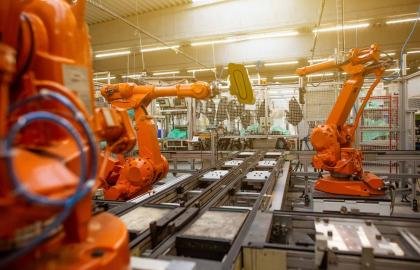
The image of a robot used to be a giant arm welding a car chassis. Today, the robot is a small, wheeled unit quietly delivering coffee to a meeting room or scrubbing the floor of a supermarket aisle. Commercial service robots are entering the mainstream workforce.
Businesses are facing a dual challenge: a shortage of labor for repetitive, low-wage tasks, and a need for higher efficiency. Robots fill this gap perfectly. They don't call in sick, they don't get injured lifting heavy boxes, and they can work the night shift without complaint.
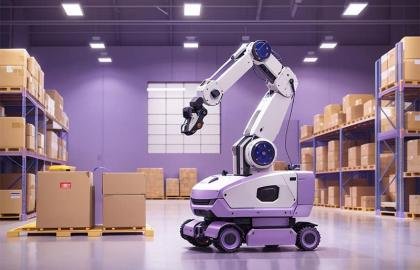
Autonomous Mobile Robots (AMRs) are transforming warehouses. Unlike old AGVs that followed magnetic tape on the floor, AMRs use LiDAR to navigate freely.
Floor scrubbing is dull, dirty, and requires consistency. Commercial robot cleaners (like those from LionsBot or Pudu) can map a mall or airport terminal and clean it autonomously.
The Benefit: They use less water and chemicals than manual mopping because they dose precisely. Plus, they provide a report proving exactly which areas were cleaned.
In hotels and offices, delivery bots are becoming common.
Challenge: A boutique hotel was overwhelmed with minor room service requests (water, towels) during peak hours, delaying check-ins.
Solution: They deployed two delivery robots.
Result: The robots handled 80% of minor deliveries. Front desk staff remained at the counter to greet guests. Guest satisfaction scores increased because wait times for items dropped from 15 minutes to 5 minutes.
The goal isn't to replace humans but to augment them. When a robot handles the vacuuming of a long hallway, the housekeeping staff has more time to focus on the details of the guest room—folding towels perfectly and arranging amenities. It elevates the human role.
Commercial robots are an investment in consistency and reliability. For businesses looking to scale operations without scaling headcount linearly, automation is the answer.
Automate your business. See our range of commercial service robots at Robots.shop.

The era of single-purpose robots (like the vacuum that only vacuums) is ending. The future belongs...
The open-plan office is evolving into a collaborative space for humans and machines. This article discusses...
For a robot to be truly autonomous, it cannot be stopped by a closed door or...




Cookie preferences